
Wildlife Observer
25 wildlife sightings reported.
 DiveBook / Citizen science
Your dive. A deeper record.
Divers see what satellites cannot. Record the conditions, habitats and lost gear you encounter, and contribute evidence for open ocean science.
Pick an amount, or type your own. Monthly gifts are the most useful of all — they let us book boats, air fills and disposal before the season starts instead of scrambling afterwards.
Card, Apple Pay and Google Pay accepted. Payment is handled securely by Stripe.
Visit theoceandataproject.org for harbour restoration campaigns, equipment sponsorship packages and the Coastal Impact Atlas — Ghost Gear, European Green Crab and Whale Corridors.
Loading reported field totals… Ghost gear notes are saved in individual dive logs; a separate sightings total is not yet available.
A useful observation pairs what you saw with where and when you saw it. DiveBook’s shared environmental records provide a foundation for open datasets; private logbook notes are not automatically published to the Atlas.
Temperature at depth adds a local record of seasonal change that surface measurements can miss.
Depth, time and a site location give observations context. Imported computer profiles complement your field notes.
Species, habitat and repeat observations help document seabed conditions and potential invasive species.
25 wildlife sightings reported.
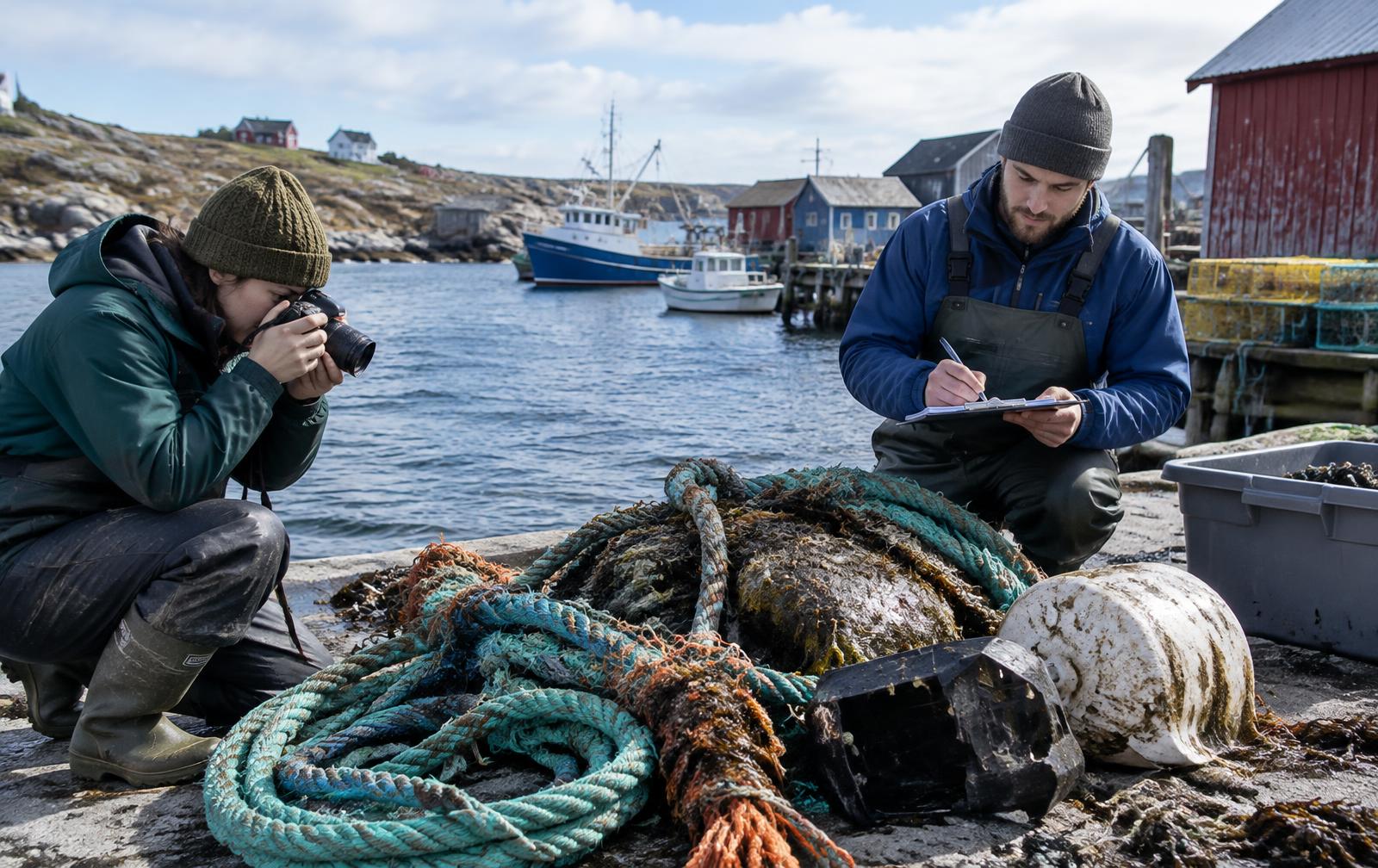
Removed any ghost gear.
Observe without disturbing habitat. Gear recovery requires appropriate training, permissions and a safe plan.